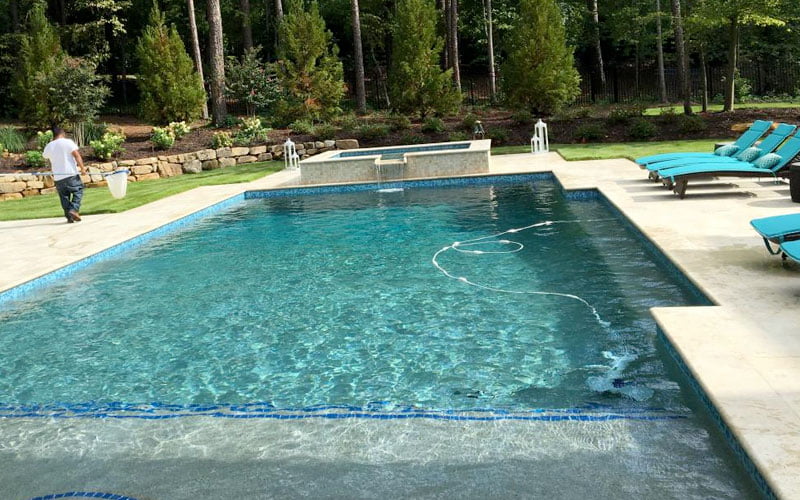
Many times, maintenance is an afterthought, neglected until the walls turn green from slime or a filter gets clogged with leaves. However, waiting until problems arise can end up costing a lot more time and money than if you simply establish a good maintenance routine.
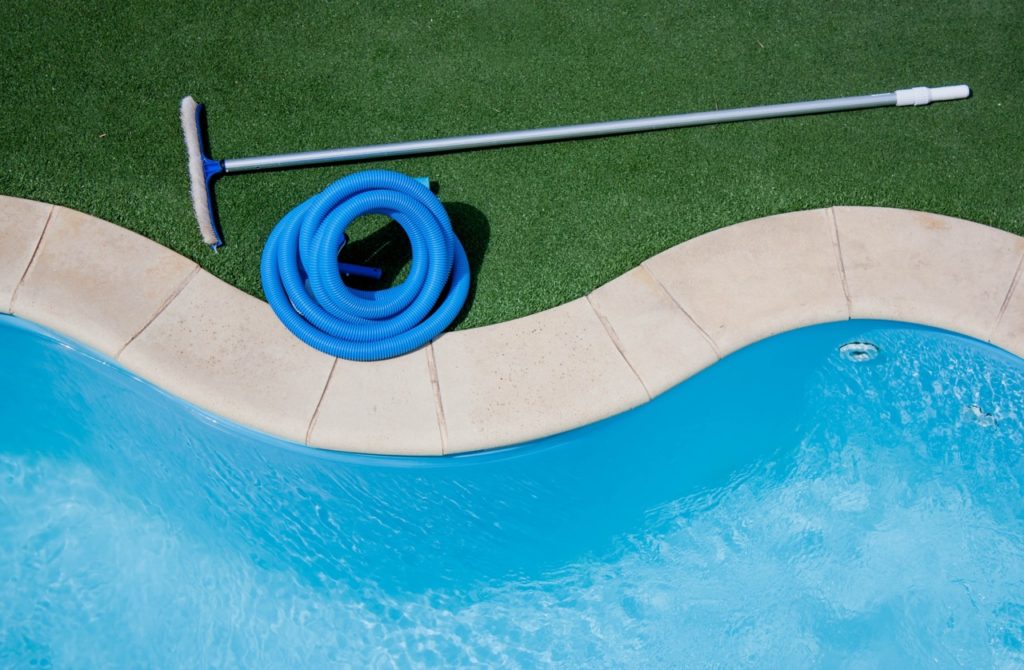 Perhaps you’re a brand new pool owner, or maybe you’ve owned a pool for years. Either way, it’s good to have a clear idea of how you’re going to keep the pool clean and well-maintained all summer long. The only way to do that is to ensure you have the bases covered with these tips and tricks.
By aquascape pools | sep 27, 2017 | pools and spas if you have a gunite pool, which is likely here in our texas heat, maintenance is an essential part of pool ownership. It’s critical to keeping your gunite pool ready to use when you need it and to get the longest life possible out of it. Keep the fun in the summer sun with the following pool maintenance tips.
Your backyard pool is the ultimate sanctuary for relaxation and enjoyment. To ensure your aquatic haven remains a crystal-clear oasis all summer long, it’s crucial to stay on top of pool maintenance. At pools by design, we understand the importance of a well-maintained pool, and we’re here to share some essential tips to keep your pool in pristine condition throughout the season. Regular skimming and cleaning: start your pool maintenance routine by skimming the surface regularly. Leaves, debris, and other contaminants can accumulate on the water’s surface, affecting both the water quality and the efficiency of your pool’s circulation system.
1. Vacuum Your Pool for Dirt and Debris
To keep your pool in pristine condition, use a manual or automated vacuum. If you can vacuum a rug, you can vacuum a pool. Just run it on the surface of the pool to suck up dirt and debris. Also, test your pool’s chemical balance weekly and adjust as needed.
Use a long-handled leaf skimmer to gather up leaves, insects, and any other debris floating on the surface of the pool. Try to remove debris before it sinks to the bottom of your pool where it becomes difficult to remove and is more likely to cause staining and discolouration. You should aim to vacuum your pool at least once a week. Skimming will only remove the leaves and debris that is floating, and most debris that enters a pool floats for 3-4 hours, so vacuuming is critical to keep a pool sufficiently clean. Use a brush to remove dirt that has collected on the sides and bottom of your pool.
The two most popular above ground pool filters i sell are the 100 sq ft cartridge and the pentair pld50. You wash both of them the same. First, shut off the pump, then either close your valves (if supplied) preventing water to flow from the skimmer and return water line, or plug these opening at the source if you don’t have shut-off-valves. Look for a plug at the base of your filter and remove it, so the water drains out. There is a vent plug on to too that will release vacuum and aid in the filter draining. Once you have drained the filter, spin the ring counterclockwise, this will enable you to remove the top of the filter housing, once that is removed, just pull out the filter element and hose off all dirt or de as in the case with the pld50 pool-filter.
2. Maintain the Water Levels
Having a pool cover that fits properly and is free of rips or tears helps prevent debris or animals, and even rainwater, from getting into your pool. Keeping your pool covered will help maintain balanced chemical levels. You’ll still want to ensure that the cover remains clean of debris. So when it’s time to uncover the pool, all the debris doesn’t fall in.
Having a preventative maintenance strategy involves also developing a priority plan. You want to focus on what is critical to the safety and operation of your pool/spa facility. A commercial pool and spa’s filtration system is the heart of the operation. Water must circulate through the filtration system, sanitization system, and heater. It’s critical that you regularly check the pumps and filtration to avoid cloudy water and keep the water pristine. In addition, maintaining the filtration system helps avoid mechanical failure and costly downtime. Maintaining the chemical levels accurately and keeping the water clean will ensure that the pump systems do not experience as much wear and tear which could lead to seal failure or water clarity issues.
Because saltwater chlorinators do not function in cold water, most salt systems will shut down in water temperatures of 60ºf or below. And when water temperatures go up in the summer, chlorine consumption increases. Warm water requires salt cells to run longer, or operate at a higher output percentage to maintain chlorine levels. For this reason, many saltwater pool owners use tablets or granular chlorine when the water temperature is below 70ºf. Monitoring the water temperature inside your saltwater pool is imperative to keep water levels flowing and maintained properly. Pro tip: not sure what to do with your salt cell during winter? don't fret, we have an article for that! if you close your saltwater pool for the winter, don't miss out on this informative article about how to care for your salt cell during the frigid months.
These self-contained, electric units can clean an entire swimming pool faster than you. Robotic pool cleaners drive around the pool on their own, climbing up walls and stairs and collecting all kinds of debris in their fine mesh filter bags. These filter bags also filter the water, so if you run the robotic cleaner while the filter and pump aren’t running, you’re actually saving money while keeping your pool clean. It costs much less to run a small pool cleaner than it does to run your filtration system.
How often and how you clean your pool filter depends on the type of pool filter you own. ✓ if your filter pressure gauge indicates that pressure has dropped below the normal reading for a clean filter, check if you have a clogged pump or skimmer basket.
Keep the water sanitary and crystal clear with regular pool cleaning and maintenance throughout the summer: skim the surface to remove debris as needed. Brush the sides of the pool to clean off residue every few days. Run the circulation system for four to six hours per day. Make sure the popup nozzles are functioning correctly. Clean skimmer baskets weekly. Apply algaecide, chlorine and other chemicals weekly. Vacuum the pool weekly, followed by backwashing the pool filter. Perform a shock treatment occasionally, such as after heavy rain.